The Mood Is the Prompt: Nine UK Improv Nights That Wing It With Your Feelings
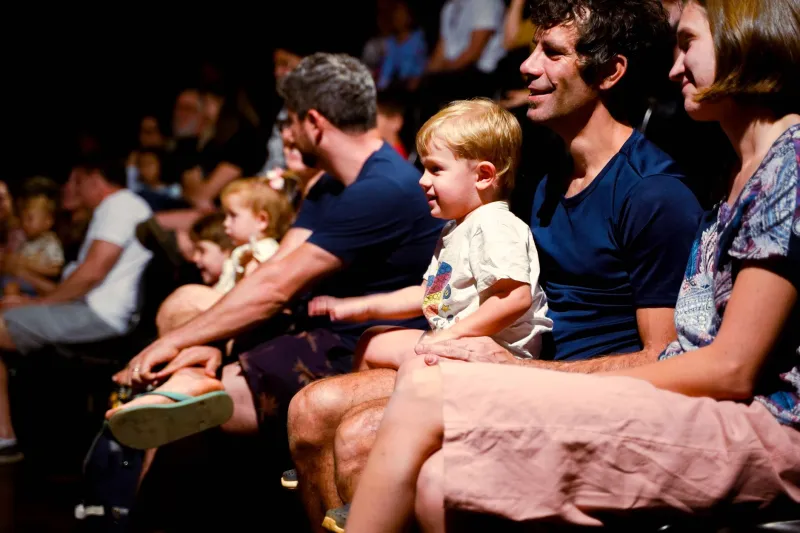
Somewhere above a pub in south London, a host is holding a basket of feelings. Not words, not occupations, not ‘a place beginning with B’ — feelings. Tonight’s offerings include ‘wistful’, ‘feral but polite’ and ‘smug after a promotion’. The cast nod, take a breath, and build a world from there. This is improv in 2026: less ‘give me a suggestion’, more ‘give me a mood’.
It sounds like a small tweak. It isn’t. Handing over an emotion rather than a fact changes the whole temperature of the room. The performers are no longer just being quick; they’re being responsive. And the audience is no longer just watching; it’s setting the weather.
Why feeling-first improv fits right now
Traditional improv has always run on audience suggestions, and the best nights have always been a two-way street. But the mood-led twist makes particular sense in 2026. We have more emotional vocabulary than ever — thanks, in part, to a culture that’s finally comfortable saying ‘I’m a bit dysregulated’ before ‘I’m fine’ — and we’re increasingly drawn to nights out that don’t ask us to perform a version of ourselves.
You don’t need a hen do, a birthday sash or a personality worthy of a group chat. You just need a feeling. The cast does the rest. Some nights use mood slips, some ask for a shout-out, some get the audience to pick from a deck of emotional prompts. The format varies, but the promise is the same: your mood is the raw material, and the show is the reaction.
Nine rooms where the mood does the talking
Line-ups and formats shift, so check listings before you travel. What follows is a mood-led tour of the UK improv scene, from pub theatres to dedicated comedy rooms.
- The Free Association, London — A proper home for long-form improv, with casts who can turn a single feeling into a full-blown world. Go for the craft; stay for the bit where a wistful suggestion becomes a three-minute indie film.
- The Nursery Theatre, London — Playful, experimental and welcoming to first-timers. The moodier suggestions tend to get handled with real care, which makes it a good entry point if you’re not sure you want to shout anything at all.
- Hoopla at The Miller, London Bridge — Pub-theatre energy in the best way: low ceilings, loud laughs, and a crowd that’s up for joining in. The short-form nights are especially good for anyone who likes their comedy fast and their feelings lightly toasted.
- Bristol Improv Theatre, Bristol — A dedicated improv venue with a warm, curious audience. The mood-led suggestions here often tilt theatrical, which is exactly what you want when someone offers up ‘quietly devastated but wearing a nice coat’.
- The Maydays, Brighton — Long-running, sharply funny and theatrically minded. Their shows have a knack for finding the absurdity inside a feeling without ever making the person who suggested it feel silly.
- The Suggestibles, Newcastle — Audience-driven, quick on their feet and properly good at turning a one-word mood into a scene with a beginning, middle and punchline. Expect big laughs and zero preciousness.
- MissImp, Nottingham — Pub-rooted, friendly and full of people who genuinely love the form. It’s the kind of night where you can suggest ‘tired but optimistic’ and watch a whole relationship unfold in a kitchen.
- The Oxford Imps, Oxford — A long-standing student-founded outfit with a lively, generous crowd. The mood-first suggestions keep things surprising, especially when someone offers something like ‘smug about a parking space’.
- The Comedy Store Players, London — The established name in UK improvised comedy, and still a brilliant reminder of how fast a good cast can build a scene from almost nothing. The mood is the prompt; the experience is the point.
First-timer etiquette, without the lecture
Improv crowds are generally lovely, but there’s a gentle code to follow. It’s not complicated.
Give a feeling, not a script. ‘Lovesick’ is a gift. ‘Lovesick because my ex is at the bar and I’m wearing their jumper’ is a short film. Let the cast find the story.
Keep it short. One or two words is plenty. If you freeze when the host looks at you, ‘wistful’ is always a safe bet. So is ‘hungry’.
Don’t heckle. There’s a difference between joining in and hijacking. Suggestions are invited; commentary is not. The cast are making it up as they go — give them something to work with, not something to climb over.
Sit where you want to sit. Front row if you’re keen to throw a mood into the ring; back row if you’d rather quietly absorb. No one will drag you on stage. Probably.
Laugh generously. Improv is a live experiment. Some scenes land, some wobble, and the wobble is often the best bit. You’re not judging a finished product; you’re watching something get made.
Keep your phone down. Unless the venue says otherwise, filming steals the room’s attention and the performers’ focus. Be present. It’s a mood night, after all.
Remember it’s comedy, not therapy. The best nights know the difference between a feeling and a cry for help. If you’re carrying something heavy, a licensed therapist is better than a quick-thinking cast. But a silly, thoughtful, communal laugh at the human condition? That’s a genuinely good tonic.
The unexpectedly cathartic bit
There is something quietly brilliant about hearing a room laugh at a feeling you thought was yours alone. Not in a heavy way. In a ‘oh, everyone’s a bit lovesick on a Thursday’ way. The cast are quick, but the audience is the engine. You hand over a mood, they hand back a scene, and somewhere in the exchange the feeling gets a little smaller and a lot more shared.
That’s the case for giving improv a go in 2026. Not because it’s trendy, though the mood-led format is having a moment. Not because it’s highbrow, though the best long-form work is genuinely artful. But because it’s one of the few nights out where being honest about how you feel is the whole point — and the reward is a room full of strangers trying to make it funny.
Go on. Give them a feeling.