The Just-Because Shelf: Inside the UK’s Mood-Led Card Shop Boom
There’s a particular kind of British afternoon that unfolds in a good card shop. You go in for one birthday card, maybe a roll of tape, and leave twenty minutes later having read eleven captions, snorted at a sausage dog in a raincoat, and seriously considered buying a card that says “sorry you’re having a rough one” for no one in particular. In 2026, that aimless browse has become the point.
Independent stationers and card makers across the UK are noticing that shoppers aren’t only buying for the calendar. They’re buying for the feeling. A card for the friend who’s just come out of a rubbish week. A note for a partner because the light was nice on the walk home. A small, sturdy piece of cardstock that says “I saw this and thought of you” without demanding a birthday, anniversary or formal excuse.
The card wall that asks how you feel
Walk into a mood-led stationery shop now and the old alphabetical system — Birthday, Anniversary, New Home, Sorry You’re Leaving — starts to feel a bit like a filing cabinet. The newer approach is looser and more human. You’ll find clusters labelled with feelings rather than events: comfort, encouragement, quiet love, big laugh, gentle apology, “I’m here”, “you’re doing better than you think”.
It’s a subtle shift, but it changes how you shop. Instead of starting with the occasion, you start with the person. What are they carrying this week? What would make them smile before they’ve even opened the envelope? The card becomes less of a box-tick and more of a tiny mood delivery system.
Why “just because” is having a moment
Part of this is about calendar fatigue. British lives are already packed with scheduled cards — birthdays, Christmas, weddings, exam results, house moves. Adding another obligation can feel like admin. A just-because card, by contrast, arrives with no expectations attached. It doesn’t ask you to RSVP or bring a gift. It just says: I was thinking about you, and I thought you’d like this.
There’s also something refreshingly low-stakes about it. Sending a mood-led card is not a grand gesture. It’s a small, affordable bit of contact in a year when plenty of us are trying to be a bit more thoughtful without becoming a full-time social secretary. You can post one for the price of a coffee, and it will probably sit on someone’s mantelpiece for weeks.
And let’s be honest: the British are quite good at feelings when they’re written down. A card gives us a script. It lets us say the soft thing we’d never announce across a kitchen table. “Proud of you” is easier in ink. So is “I’m sorry I was a grump”. So is “you make ordinary days better”.
Comfort, apology, quiet love: the new card categories
The mood-led card wall tends to break down into a few unofficial groups. Comfort cards are the warm blanket of the stationery world — soft colours, gentle typography, illustrations of cups of tea, half-eaten toast or a cat in a sunbeam. They’re for illness, exhaustion, grief-adjacent days and general life admin fatigue. They don’t try to fix anything. They just sit beside the person.
Apology cards are trickier, and the good ones know it. The best avoid grand declarations and go for something dry and human: “I’ve been a wally. Sorry.” “Can we start again?” “I made a mess; I’d like to help clean it up.” In 2026, the apology card has become its own small genre, with illustrators leaning into humour because a little levity often makes a difficult message easier to send.
Then there’s quiet love. Not the hearts-and-balloons version, but the everyday sort — “I’m glad it’s you”, “same team”, “you’re my favourite person to do nothing with”. These cards are ideal for long-term partners, flatmates, siblings and friends who’d rather die than receive a soppy poem. They work because they’re specific and understated.
Celebration still exists, of course, but it’s broader now. It might be a card for a friend who’s finished therapy, survived a difficult month, got through a Monday without crying, or finally cleared the spare room. Mood-led shops are getting better at celebrating the invisible wins, not just the ones with a certificate.
How to choose a mood-led card without overthinking it
Start with the person, not the paper. Think of one recent thing they’ve said or done. If they’ve been flat-out, look for something reassuring. If they’ve been self-deprecating, go for dry humour. If they’ve been quiet, a simple “I’m here” card will do more than a paragraph of advice.
Read the caption in your own voice. If it sounds like something you’d actually say, it’s probably the one. If it sounds like a corporate greeting card trying to be your mate, put it back. The best mood-led cards feel like a text you’d send, only better made.
Don’t worry about writing loads. A short line is often enough: “Saw this and thought of you.” “No reason. Just glad you exist.” “Coffee soon?” The card is the gesture. The words just need to sound human.
Shops worth a browse
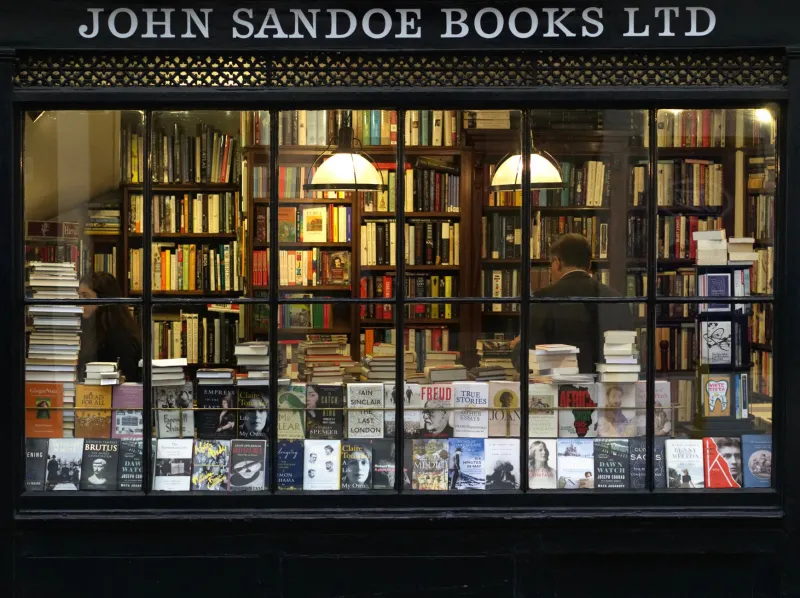
If you want to explore the mood-led card wall in person, London’s Papersmiths and Present & Correct are both good for considered design and playful little surprises. Choosing Keeping is a lovely stop for quieter, more elegant stationery, while The Printed Peanut in Yorkshire brings bright, cheering illustration that works beautifully for just-because notes. Wrap in London is another reliable browse for independent makers and design-led cards. Smaller local stationers, museum shops and craft markets are often where the best mood-led ranges hide — look for shops that group cards by theme or feeling rather than strictly by occasion.
The small ritual of sending nothing-in-particular post
A mood-led card doesn’t need to be a big statement. It’s a tiny interruption to the usual pile of bills and circulars. It says someone was paying attention. In a year when so much of our contact is instant and slightly forgettable, a card is pleasantly slow. You choose it, write it, find a stamp, and send it into the world with no guarantee of a reply.
That’s the charm of the just-because shelf. It turns a routine shop into a small act of noticing. And in 2026, noticing each other might be the mood we’re all shopping for.