The Emotional Allotment: Nine UK Gardens That Grow a Mood, Not Just Blooms
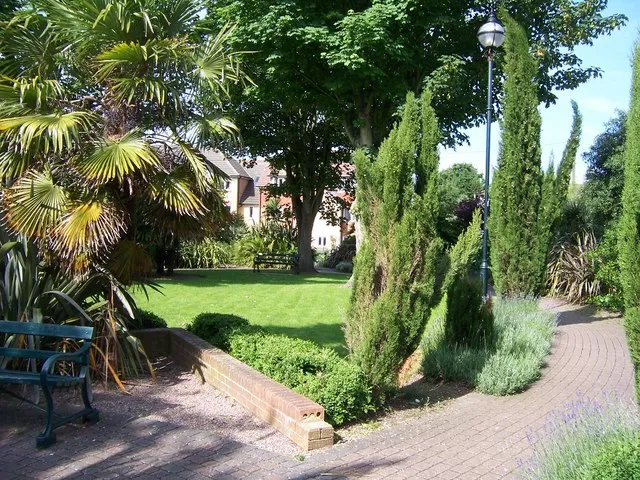
Photo: Colin Babb, CC BY-SA 2.0, via Wikimedia Commons
A garden can be a useful place to put a feeling. In 2026, UK green spaces are being read less as plant collections and more as emotional landscapes: places to lower the shoulders, lift the energy, or simply sit with a mood until it loosens. The shift is partly practical — we have smaller gardens, balconies, window ledges and shared courtyards — and partly sensory. We want green space that does something, not just something green.
Mood gardening is not a new idea dressed in a linen apron. Gardeners have always planted for scent, shelter and seasonal cheer. What feels fresh now is the language around it. Colour psychology, sensory planting and emotional reset have moved from the fringes of wellbeing chat into the way venues and home growers talk about design. The result is a gentler, more personal kind of gardening: less about impressing the neighbours, more about noticing how you feel when you walk out of the door.
Why mood gardening is having a moment
Most of us do not need another productivity system. We need a place where the nervous system can unclench. A garden, even a very small one, offers a daily dose of texture, weather, scent and change. It asks you to look up from a screen and notice that something is growing. That is not a cure for anything, but it is a genuinely useful reset.
Colour psychology is not an exact science, and it is worth saying so. Still, the associations are helpful prompts. Greens and soft blues tend to read as calming; warm yellows, oranges and reds can feel energising; deep purples and burgundies can feel moody in the best way. Scent is even more direct — lavender, rosemary, mint and sweet peas can shift a space from neutral to memorable in seconds. Add movement, water or a bit of wind in the leaves, and you have an emotional landscape rather than a plant display.
The other reason mood gardening fits 2026 is scale. You do not need an acre. A window box planted for a slow Sunday, a balcony corner designed for a five-minute breather, or a shared patch with a decent chair can all do the job. The mood is in the intention.
Nine UK gardens for nine emotional states
1. Kew Gardens, London — for overwhelm
When everything feels too much, scale can help. Kew’s broad walks, glasshouses and lake views offer the kind of gentle awe that makes your own problems feel a little smaller. Go for the long view rather than the detail. The mood is perspective.
2. RHS Garden Wisley, Surrey — for low energy
Wisley’s long borders and colour-led planting are a reminder that brightness can be a tonic. Visit when you want to be pulled forward rather than soothed. The mood is momentum: warm colours, big gestures and the simple cheer of a garden in full voice.
3. Westonbirt Arboretum, Gloucestershire — for frayed nerves
Trees do something to the pace of a day. Westonbirt’s canopy, paths and seasonal colour make it a strong choice for the wired and worn-out. Walk slowly. Breathe. Let the mood be green and quiet.
4. Sheffield Botanical Gardens — for winter blues
The glasshouses are the mood-lift here: warmth, humidity and the strange optimism of plants thriving under glass while the UK weather does its thing outside. Ideal for a grey February afternoon when you need a preview of spring.
5. National Botanic Garden of Wales, Carmarthenshire — for reset
Water, meadow and wide skies make this a good place to let a mood move through rather than sit on your chest. The mood is spacious. Take a flask, take your time, and resist the urge to see everything.
6. Royal Botanic Garden Edinburgh — for perspective
Edinburgh’s garden offers views, corners and a proper sense of remove from the city. It is the kind of place where you can sit on a bench and feel like you have gone further than you have. The mood is calm with a view.
7. Tremenheere Sculpture Gardens, Cornwall — for slow looking
Art and planting together can shift you out of autopilot. Tremenheere’s wooded valley setting invites a slower gaze: look at one thing properly, then another. The mood is curious and unhurried.
8. The Hepworth Wakefield Garden, West Yorkshire — for creative lift
A garden designed with art, seating and the river nearby can give a low day a gentle nudge. The mood is bright but not loud: a place to think, sketch, read or simply sit with a coffee and let an idea arrive.
9. Birmingham Botanical Gardens — for sensory company
Glasshouses, seasonal borders and plenty of corners make this a good all-weather mood garden. Go when you want to be among things rather than alone with them. The mood is friendly and gently stimulating.
Steal the mood-garden method for a balcony or window box
Pick one feeling, not five. A comfort corner could be soft greens, lavender and a chair that actually invites you to sit. An energy-lift window box could lean into warm yellows and oranges, with something scented near the door. A low-mood patch might major on bright but gentle colour, texture at hand height and a seat that faces something worth looking at.
Design for senses, not just sight. Put scent where you will brush past it. Use leaves that feel good to touch — rosemary, thyme, ferns, hostas — and let some plants move in the wind. Add a small water feature or a wind chime if your space allows. Even a single pot of mint by the door can change how you enter a room.
Think about the seat. A mood garden without a place to pause is just a plant display. A foldable chair, a bench, a cushion on a step: all count. In shared spaces, make the mood social. A few labelled pots, a watering rota and a clear bit of agreement can turn a forgotten courtyard into somewhere people actually want to linger.
Choose plants that suit the UK climate and your actual time. Lavender, rosemary, thyme, geraniums, ferns, bulbs and hardy herbs are all forgiving places to start. Feed, water and repeat. Mood gardening is not about perfection; it is about giving yourself a small, living thing to notice.
A five-minute mood audit before you plant
Ask yourself: do I need calm, energy, comfort or distraction? Then choose one colour, one scent and one texture to lead. Put them where you will see or smell them daily. That is the whole method. The emotional allotment does not need to be large. It just needs to be yours.